CHAPTER 06
Beyond the
Fair
Explore how your research journey can continue beyond competition day. Learn from ISEF finalists, discover future opportunities, build your network, publish your work, and turn your project into lasting real-world impact.
6.1A Word from ISEF Finalists

Special Award
What is one thing successful science fair students know that beginners usually don't?
I would say one thing successful science fair students know that beginners usually don't is that it's not just about how good your research is, but it is also about how well you can present your findings. Even the greatest projects can be misunderstood if you can not get through to your audience. Although it can be challenging, my advice would be to understand that judges are only there to help you grow as a researcher, so just relax and keep an open mind no matter what they say.
What's a common misconception students have about ISEF or the scientific research process as a whole?
You don't need a mentor or a lab, you can literally just do a project in your basement and win, so just focus on the project and most importantly the presentation and you'll be fine!
What has been the most rewarding part of your research journey?
It feels like a whole new world has opened up. Getting to experience that excitement for science, multiplied by a thousand of the brightest young scientists in the world, is unmatched. Science is a universal language, and being able to connect with people from all around the world through it has been incredible. My life has been forever changed by the lifelong friends and mentors I have met along the way. More than anything, it has given me a lot of hope for my future and for the future of our world.
Grand Award Winner
What did attending ISEF mean to you personally?
Attending ISEF was a life-changing experience. Coming from a small city in Bahia, Brazil, I never imagined that my research would take me to the world's largest pre-college science competition. Being surrounded by talented students from different countries reinforced my passion for science and showed me that my ideas can have a global impact. ISEF was not only a recognition of years of hard work, but also a reminder that curiosity, dedication, and resilience can open doors far beyond what we initially imagine.
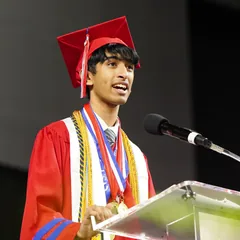
What advice would you give students preparing for ISEF?
Don't focus on the big picture of your research first, take it one step at a time because you never know which direction research will take you.
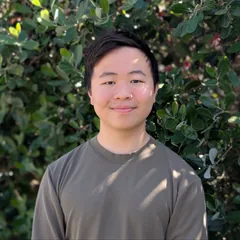
Grand & Special Award
What advice would you give students preparing for judge interviews?
For judging, my most honest advice is to not have a script! Be yourself! Be passionate! Be THE nerd of your topic
For my own presentations, i did have a prepared opening, but that's to ground myself before launching into my mostly improvised flowing presentation
Although that might just work for me because I thrive on questions from judges
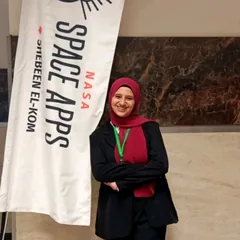
What are the most valuable skills you obtained from the scientific research process?
The research process completely changed how I work. First, it taught me how to communicate smoothly and pitch my ideas. I learned how to double-check my data and verify every piece of information. For the first time, I had the courage to visit universities and discuss my work with professors to make sure my research was accurate. I also learned how to convince judges and make them believe that my idea could make a real difference. But the most valuable lesson was patience; I rewrote my first research paper more than 20 times! That taught me resilience and reminded me that the ultimate goal of my research is to sincerely help the people around me.
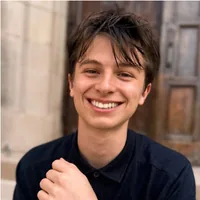
Grand Award
How has your project influenced your future goals or career interests?
My project has helped to build a level of critical thinking and grit that otherwise I would not have gotten from simply school. I recommend all high school students pursue research of some kind or a project that pushes them to think outside their comfort zone.
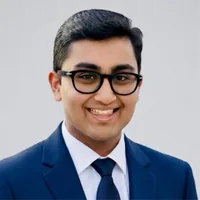
Grand & Special Award
What was the most inspiring part of attending ISEF?
I would say the most inspiring part of ISEF is the sheer magnitude of the event. The realization that being part of this fair means we were chosen to represent the millions of hardworking and passionate youth in research around the world is incredible. Additionally, the sessions where we had the opportunity to meet some of the most distinguished individuals in the research community were unforgettable. Hearing these scientific leaders share that they started exactly where we are today is incredibly motivating because it proves that reaching that level of global impact is entirely within our grasp.
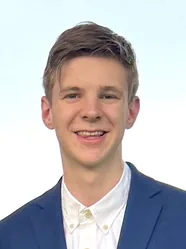
What did you underestimate when beginning your project?
The biggest thing I underestimated wasn't the challenge of the research itself or that it would be easier than I expected. Instead, I underestimated how accessible research really is.
Doing research made me realize there are thousands of professionals in every field who would love to connect with you, share their experiences, and help you grow your skills. There is an amazing impact you can make in almost any field with any set of interests.
I think the biggest thing that helped me was finding something I was truly passionate about and not being afraid to reach out, connect, and learn from others. Looking back, I believe that is largely the reason I have been able to qualify for ISEF over the past three years.
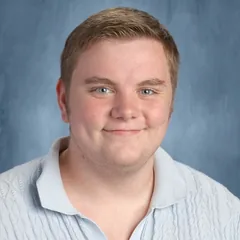
1st Place Chem
Dudley R. Herschbach Award
What has been the most rewarding part of your research journey?
I would say the most rewarding part of my research journey must have been seeing how proud my mentor was when talking about me to media etc.
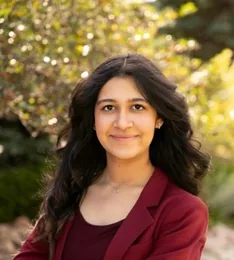
Grand Award
How has research changed the way you approach problems in everyday life?
Analytical thinking when it comes to problem-solving is something that research teaches, and that way of thinking is applicable to everything. Research teaches you to think a few steps ahead, to plan ahead, and to prepare for abstract and more obscure problems beforehand, enabling your mind to develop structure better.
What motivated you to begin your research journey?
My research journey began with a simple question: how can we trust the systems that increasingly shape our world? As I became more involved in programming, cybersecurity, and data science, I realized that many of the technologies we rely on every day depend on high-quality randomness. From securing financial transactions to training artificial intelligence models and protecting sensitive information, randomness plays a critical role in modern society. What motivated me was not only the technical challenge, but also the opportunity to contribute to something larger than myself. I want to help build technologies that are more reliable, secure, and beneficial for humanity. The Randomness Quality Index project was my first step toward that goal. By creating a framework to evaluate randomness more effectively, I hoped to provide researchers and developers with better tools for making informed decisions. More broadly, I aspire to use science and engineering to solve meaningful global problems. Whether through advances in computing, energy systems, or emerging technologies, I want my work to have a lasting impact. Research gives me the opportunity to transform curiosity into solutions, and that is what continues to drive me every day. I do not see research as a school project. I see it as preparation for a lifetime of innovation. My goal is to become a scientist and engineer who develops technologies that improve lives, expand human knowledge, and help address some of the world's most important challenges.
Special Award
What value have you gained from the scientific research process, and why do you believe others should pursue research themselves?
I have gained a lot of confidence in myself through the scientific research process. There will be many times when you are stuck. Where most people have the option to quit in certain areas of life, the science fair compels you to deliver on your promise. Science fair gave me a purpose to study and do well academically. It reflects your application of knowledge instead of just raw knowledge itself. You can change the world with new science, and that is why I would strongly recommend people to do science fairs and present research. You can find like-minded people through science fairs, and the network of people you get access to grows exponentially.
What value have you gained from the scientific research process and why do you believe others should pursue research themselves? What do you believe is the biggest misconception people have about science fairs/research?
Scientific research is not just about winning awards at science fairs, but it adds real value not only academically, but also intellectually and socially. To clarify, I worked on a project in the field of bioinformatics, my first time in this area. I learned many skills in this field, and any research in any field will teach you more to test your hypotheses. I learned how to think deeply and analytically, anticipate problems, and develop problem-solving skills, as the research aimed to solve a complex problem in cellular and molecular biology. I also learned how to communicate with major universities and convince them to test my project, and how to operate complex devices I never imagined I would use. Scientific research is not just about publishing a paper; it's about contributing to science and to yourself personally. I recommend the scientific research experience to all students because it will change your way of thinking and your approach to problem analysis, making it more realistic and rational. Students under university age often think that scientific research and publishing are imaginary, but it's actually very real, and they can do it with a little organized effort and time management. I always find that students view science fairs as either a loss or a gain, but in reality, they are only a gain. They are a great place to find students who are like you. Interests and making friends are also important. Furthermore, exhibitions are excellent places to learn communication skills, how to persuade a professor of your idea and explain it in detail, and presentation skills. I always find that students conduct scientific research for competitions, not because the science fair is a place to share your research with your target audience and to help solve a real problem.
What did attending ISEF mean to you personally?
It wasn't really about competition and winning or anything like that (i'm a senior so it wouldn't really affect me anyways lol). It was more of assurance in my ability to conduct quality research and it validated the effort I put into my journey through STEM research.
What did you underestimate when beginning your project?
One thing I underestimated when beginning was definitely the amount of trial and error my experiment would have to overcome. Science is focused on the outcomes and the final results, that people tend to forget about. However, it's through the moments of failure where you truly grow and learn in gaining a better understanding of your project and the work going into it.
Grand Award Winner
What part of the research process took longer than you expected?
The part that took longer than I expected was refining the methodology and validating the results. Developing a sustainable antifungal solution was not only about testing whether it worked, but also understanding the variability of biological systems and ensuring that the results were reliable. Repeating experiments, analyzing data, and making adjustments taught me patience and showed me that scientific progress often comes from persistence rather than quick breakthroughs.
Grand Award
What do you believe separates a good project from a truly competitive project?
Presentation. Now this is my perspective, but I think one reason why I performed as well as I did was presentation. I was friendly with the judges, I asked them about their days and their lines of work; but I also made sure my poster looked good, as good as possible. It's funny because, when I think about it, my project was extremely simple; and the projects around me, in contrast, were about as complex as you can get when it comes to my topic (computational biology); but I still pulled through and placed relatively high compared to those around me just because I sold my project better than they did theirs.
Special Award
What skill gained through research has been most valuable outside of science?
The most valuable skill I have gained through research is the mindset of "I'll figure it out." Throughout my research journey, I have constantly faced unfamiliar problems, whether that meant identifying specific bacterial strains from plant microflora, troubleshooting experiments, learning new coding tools, or engineering a Raspberry Pi prototype. Research taught me that I do not need to know every answer immediately; I just need to be willing to keep trying, ask better questions, and break overwhelming problems into smaller steps. Outside of science, this mindset has helped me manage stress, stay hopeful during difficult workloads, and approach challenges with confidence instead of panic.
Grand Award
What advice would you give students preparing for judge interviews?
When preparing for judge interviews, creating an outline is necessary, but I believe the most important skill is being able to present spontaneously. Sticking to the exact same sentence structures in every single presentation can eventually make you sound like a robot. Having a planned trajectory while improvising the actual sentences always projects an image of deep mastery over the project. For my own project, I never wrote down a script, instead, I simply mapped out the flow of the presentation. Because I knew exactly what I was talking about, I just let it flow naturally, meaning no two presentations of mine were ever identical. Furthermore, preparing thoroughly for potential questions (especially anticipating the tough ones about your projects limitations) and being able to deliver quick, confident answers will always leave a strong impression on the judges.
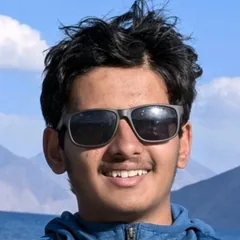
What advice would you give first-time ISEF attendees?
Meet new people and have fun - it's a once in a lifetime experience
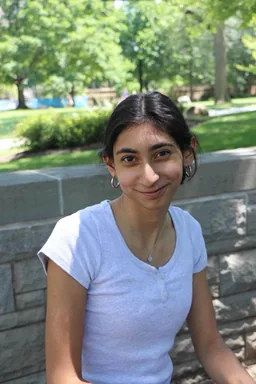
What has been the most rewarding part of your science research journey?
The most rewarding part has been the growth in so many skills. Whether it's becoming more meticulous in lab procedure settings and during experimentation, to become a better speaker when communicating with other sciences, or to even becoming a designer through prototypes, models, and taking care of my lab notebook, I've learned so many skills that no other out of school activity could teach me. I am so grateful for the ability to conduct my own experiments on topics that I can read about for hours together. And I am especially grateful for the professionals and peers I have made along the way — whether that's judges who've given me their business card, my mentor, or the friends I've made at science fairs.

Grand Award
What was the biggest challenge you faced during your project, and how did you overcome it?
One of the challenges I faced during the project would be having to balance between academic commitments and doing research. Managing schoolwork, examinations and projects at the same time was a bit overwhelming. There were even times when I had to miss classes to conduct experiments in the lab. However, I tried my best to keep everything on track, prioritising and scheduling important tasks while catching up with my studies. In the end, although challenging, every part of this journey enabled me to grow into a better person with resilience and preserverance.
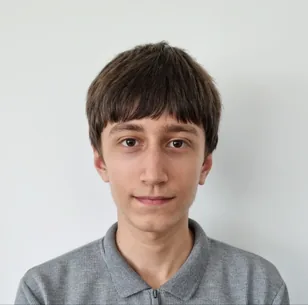
Grand Award
What do you believe separates a good project from a truly competitive project?
In my opinion, the most crucial factor that separates a good project from a truly competitive one is novelty. While some projects build upon existing concepts, others discover something entirely new. Having a high level of innovation is what puts a project one step ahead of the rest. Alongside this, the benefit it brings to humanity and its overall contribution are equally vital. A project that clearly and effectively highlights all these aspects will always maintain a strong competitive edge.

Grand Award
What value have you gained from the scientific research process and why do you believe others should pursue research themselves?
The scientific research process helped me improve my scientific writing, critical thinking, and presentation skills. It also taught me how to communicate complex ideas clearly and confidently.
I believe research is a valuable experience because it allows you to explore real-world problems while developing skills that are useful both academically and personally. It also opens doors to competitions, extracurricular opportunities, mentorship, and meeting inspiring people who share the same passion for STEM.
What is one thing successful science fair students know that beginners usually don't?
I think one of the biggest differences isn't necessarily the project itself; it's how confidently you can communicate your work. You can have the most technically impressive project in the room, but if you can't clearly explain why it matters, how you approached it, and what you learned, it won't have the same impact. Strong communication and confidence come with practice, and they're just as important as the research itself.
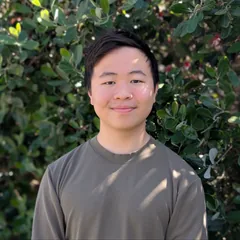
Grand & Special Award
What value have you gained from the scientific research process and why do you believe others should pursue research themselves?
I think that the scientific research process has given me a specific and analytical way of viewing things, and, despite how it sounds, a strong intuition to be able to work in subjects with little concrete knowledge or experience.
Especially since these projects are so interdisciplinary, there's bound to be parallel subjects you'll have to dip your toes in, this experience carries over to any subject that you need to do small tasks in
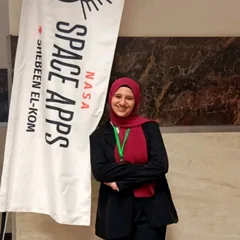
What was the most inspiring part of attending ISEF?
To be honest, back in 2024, I never expected to qualify or that my ideas could actually make an impact. I constantly fought a negative voice inside me telling me to step back and quit. But thank God, I didn't listen. I worked harder on myself, and the moment they announced I qualified for the local level, I felt an overwhelming joy it was the first time I truly believed in myself. The most inspiring part was realizing how much I grew. That first step in 2024 was the hardest, but it paved the way for my participation in 2025. By then, I was a different person. I came back with a new project, much more confident, understanding the process deeply, and able to speak with absolute faith in my work. Even though I didn't advance further, this two-year journey shaped a part of my personality that is responsible and deeply believes in my potential.
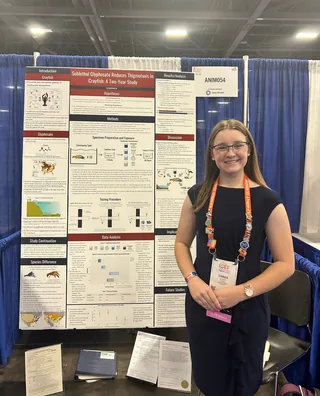
Special Award
What do you believe is the biggest misconception people have about science fairs/research
I believe the biggest misconception is really about what a science fair is at the high school level. Most people think about sciences fairs as just projects, but research is so much more. It becomes a passion. It becomes something that helps get you up in the morning.
What advice would you give students who feel like all the good ideas have already been done?
Many of your ideas have likely already been done, and that's perfectly fine. However, it's in the projects where you improve upon or innovate upon existing ideas that you can make your goal more efficient.
What advice would you give aspiring researchers?
Choose a problem that genuinely interests you and be prepared to spend time understanding it deeply. Research is rarely a straight path. Many of my findings came from analyzing results that did not match my initial expectations. Learn how to read scientific literature, question assumptions, and verify your conclusions with data. Most importantly, do not be discouraged by setbacks. Every challenge is an opportunity to improve your understanding and strengthen your work.
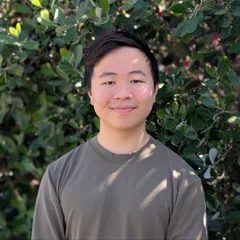
Grand & Special Award
What do you believe is the biggest misconception people have about science fairs/research?
I think the biggest "misconception" is people think they need to have the best project possible to do well. Even though a great project helps a lot, what matters more is how passionate and authentic you are about it and how its your research. In other words, the project gets you to the science fair, the passion lets you win.

Grand Award
What did attending ISEF mean to you personally?
Attending ISEF meant a great deal to me because it had been my dream for many years. Ever since I learned that it is the world's largest pre-college STEM competition, I hoped that one day I would have the opportunity to compete there. Representing Saudi Arabia on that stage and earning a Grand Award made the experience even more meaningful and unforgettable.
ISEF challenged me to grow both academically and personally. It strengthened my confidence, expanded my knowledge of my research field, and allowed me to connect with talented students from around the world.
My advice to future participants is to stay curious, believe in your work, and never be afraid to ask questions. Enjoy every moment of the experience, because it will inspire you in ways you may not expect.
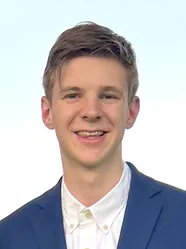
What were the most valuable skills you obtained from the scientific research process?
I have a somewhat abnormal path to research. When I first started my project in 2023, it wasn't for ISEF or really for any reason other than curiosity. I started designing a robotic hand simply because I thought it would be an interesting challenge. Later, through volunteering at a free lunch program, I found the astounding need for low-cost, functional prosthetics, which inspired me to turn it into a research project.
The first year I qualified for ISEF, I had done my project fully out of passion. When I heard about science fair, I thought it would simply be a fun opportunity to showcase the work I had already been doing.
I think the biggest thing I learned is how much passion determines the success of a project, or really anything you do in life. Not knowledge or skill alone, but the passion you have for what you're doing. That passion gives you the dedication to push through challenges, keep improving, and continue working even when things don't go as planned.
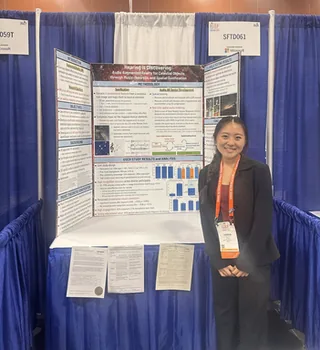
Grand Award Winner
If you could go back and give your freshman-self one piece of advice about research, what would it be?
I would tell my freshman self to not give up even if it seems like I've hit a wall. Despite there being setbacks, I was always able to come back on track by not giving up.
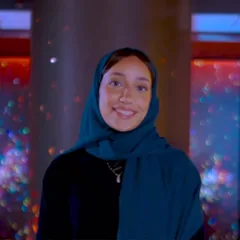
What value have you gained from the scientific research process and why do you believe others should pursue research themselves?
...research made me realize the importance of using my scientific knowledge for the better of others.
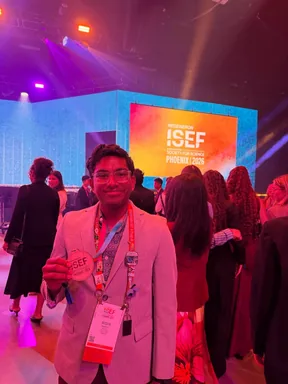
Grand Award
What are the most valuable skills you obtained from the scientific research process?
The most valuable skill I obtained is the ability to ask questions that I can investigate. It doesn't matter what my research may be about in the future, since this skill is something inherent to all research.
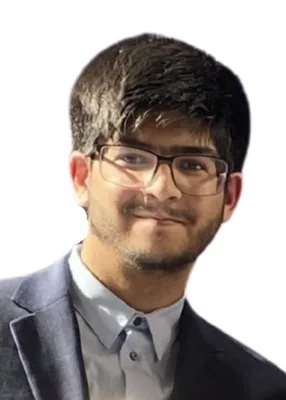
Special Award
What advice would you give students preparing for judge interviews?
The judge interview should be the least stressful part of your research journey. You should be in the mentality of having fun. You are the boss. But preparation is tremendously important. You should prepare for a conversation rather than a full-fledged presentation. There could be some key definitions or acronyms that you should memorize like lipstick. Other than that, however, keep things casual. At the end of the day, your job is to explain your research to another person. Give a quick overview and summary of your research at the beginning (try to have a hook with a wow-moment). This way, you get the most crucial takeaways out of the way first. Next, go into depth about different sections of your research according to the judges' interests. Some judges may be more interested in certain parts than others. That interest is usually based on their subject expertise. You should talk about why you made certain decisions and what challenges you faced. Talk about the full progression of your research. You need to show off your hard work!
What part of the research process took longer than you expected?
Onboarding… paperwork and trainings seemed to take longer than it did to actually take the measurements
What was the most surprising thing at ISEF?
The most surprising thing about ISEF was realizing how diverse scientific research can be. I met students from all over the world who were solving problems in fields ranging from artificial intelligence and medicine to energy systems and environmental sustainability. It was inspiring to see how many different approaches people take to improve the world through science and engineering. I was also surprised by how supportive and collaborative the environment was despite the competition.
What advice would you give students preparing for judge interviews?
The judging panel's role isn't to prove you wrong, but rather to evaluate your project and offer suggestions for improvement so that everyone benefits. Therefore, there's no need to be nervous or afraid, as this will show in your presentation. Some might think you're afraid of a flaw being discovered in your project, even though it's completely sound and has been tested multiple times. Prepare well and have a script ready. Don't memorize it, but master the words you'll say so you don't waste time trying to recall information. Prepare a fantastic, professional, and well-organized presentation so you can remember any information you forget.
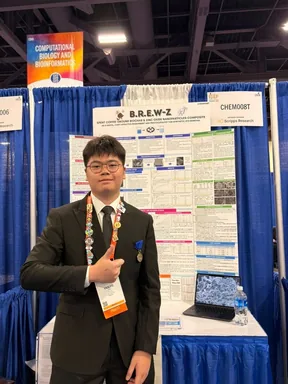
Grand Award
What was the most inspiring part of attending ISEF?
I personally think that the student pin exchange was the most interesting part among all. It's kinda like a platform for us to connect with some of the most brilliant minds in the world.
What did you underestimate when beginning your project?
I underestimated the amount of times I would doubt myself or even doubt the entire premise of my project. Building so much of the project essentially "in the dark" meant there were plenty of moments when I questioned whether it would work at all. Never could I have imagined that my research would give me one of the best weeks of my life at ISEF and open so many doors of opportunity. In the end, maybe what I underestimated most was myself.
Grand & Special Award
What do you believe is the biggest misconception people have about science fairs/research?
I believe the biggest misconception people have about science fairs is that all of these projects are exclusively focused on medical or environmental issues. The reality is that the scope of these competitions is massive. We see incredible projects spanning a vast array of disciplines, all the way from music to advanced robotics. Research is absolutely not limited to just the medical and environmental streams.
Grand Award
If you could go back and give your freshman-self one piece of advice about research, what would it be?
Relax. You're going to find a mentor, and you're going to conduct meaningful research. And I say relax not only in the context of getting research, but also actually competing in science fairs (since you will get there); you geuninely perform so much better once you loosen up and stop worrying about placements and what awards you're going to or not going to get.
Special Award
What did attending ISEF mean to you personally?
Attending ISEF didn't just give me a chance to network and share intellectual ideas, but also allowed me to travel. Because of my brother's diagnosis of autism and the risk of epilepsy if he flew on a plane, our family hasn't been able to travel past southeast US or to our home in India. Science Competitions like ISEF mean so much to me because (without any cost) I am able to travel to new locations across the nation.
How has research changed the way you think?
Research has changed the way I think because it has taught me to never take "no" for an answer. It's allowed me to dive deeply into topics that I never knew existed or could exist at a level so broad. For example, I loved taking AP Chemistry at my school and felt empty when I realized there wasn't a higher level. When I joined a chemistry research lab, I was thrilled to explore organic, coordination, and other forms of complex chemistry that I could never find in the classroom. Research allows me to take the science I love in school to use in real-world appliances to make a genuine impact. Furthermore, I love to learn and research has allowed me to become more curious—to figure out the "whys" and draft out the "hows."

Grand Award
What has been the most rewarding part of your research journey?
If i were to use one word to describe my research journey, it would be TRANSFORMATIVE. I learned a lot throughout the process, not just about experiments and theories, but also having the opportunities to network with many great people working on incredible projects.
The most rewarding part of my journey would be being selected to represent my country Malaysia at Regeneron ISEF in both 2024 and 2025, and even winning Grand Award in Los Angeles. It was an unforgettable milestone and recognition that I am truly grateful for.
Grand Award Winner
What skill gained through research has been most valuable outside of science?
...I think I have gained perseverance through research. This life skill has benefited me in almost all parts of my life outside of science, whether I am studying for a final exam or playing a tough sports match. Even as the adrenaline of starting something new wears off, staying consistent and persevering through is something I work on every day.
STS Scholar
How has ISEF or research as a whole changed your future plans?
I think research has given me good insight into nascent technologies/fields which I find promising enough to pursue in college and beyond
Did you have any unique experiences with the research process?
One unique aspect of my research was developing a single metric capable of evaluating the quality of random number generators using multiple statistical properties simultaneously. Instead of relying on individual randomness tests, I worked on combining measures such as entropy, uniformity, independence, and unpredictability into one comprehensive index. The most interesting part was discovering that generators which performed well in one statistical category did not always perform well in others. This reinforced the importance of evaluating randomness from multiple perspectives rather than relying on a single metric.
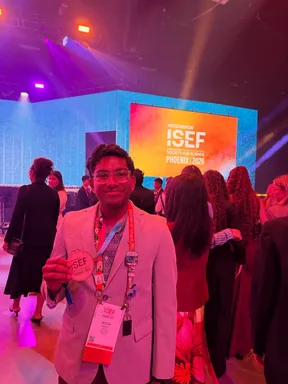
Grand Award
What was the most inspiring part of attending ISEF?
The most inspiring part of ISEF was meeting so many people from across the world come together for science. I go to a school where loving science isn't necessarily a norm, so being around those people was truly life-changing and kind of serves as motivation to go back.
Special Award
What do you believe separates a good project from a truly competitive project?
Science, at its core, is not about competition. You cannot order projects in a line from worst to best, like how you can order swimmers from slowest to fastest in the 50-yard sprint. As a matter of fact, you probably shouldn't compare projects. The judging process is most definitely holistic. It is incredibly difficult to pick out one thing that identifies the cream of the crop. A couple of things that you should keep in mind to somewhat stand out from others are the impact of your research and its uniqueness. A lot of the time, people will just throw around words like "novel" and "new framework" in their project; however, judges are looking for truly new method implementations that progress science (not just apply it). Creating or discovering something truly new and progressive will not happen immediately. It takes a tremendous amount of work and trial-and-error to create a new method that other researchers can then use.
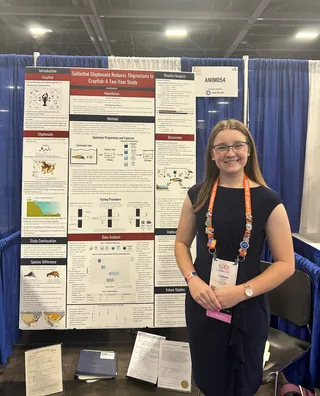
Special Award
If you could go back and give your freshman-self one piece of advice about research, what would it be?
If I could give my freshman self one piece of advice I would tell her to not be afraid of asking for help. People are there to help you, if you allow them to.
What skill gained through research has been most valuable outside of science?
Communication. Because of my experience with research, I feel so much more comfortable presenting myself in front of completely new people. I've learned that no matter what I say, the confidence I exude is most important to conveying a message.
Grand & Special Award
What value have you gained from the scientific research process and why do you believe others should pursue research themselves?
The values Ive gained from the scientific research process are truly invaluable. The entire journey taught me the importance of systematic planning and maintaining a professional mindset when tackling complex problems. Being part of such a well organized and highly professional ecosystem where every step is meticulously planned out was incredibly inspiring for my future work in developing accessible solutions. I strongly believe others should pursue research because it empowers us to create tangible solutions to real world problems. When people engage in research the positive impact is twofold they experience immense personal and intellectual growth and simultaneously they have the potential to make a profound contribution to the world by improving lives.

Special Award
What did you underestimate when beginning your project?
Something I underestimated when beginning my project was how difficult the pre-planning can be even before you start actual experimentation or data collection. I think several aspiring researchers can get swept up in achieving the end result they want to have, yet overlook the exact steps needed to get there. Without paying attention to even the smallest of details, your results and conclusion can be skewed or unreliable.
1st Place Chem
Dudley R. Herschbach Award
What skill gained through research has been most valuable outside of science?
...the reassurance that if I do what I love, I will do great. Meaning that I am more than confident in my future dreams working out and that the path I choose will be right.
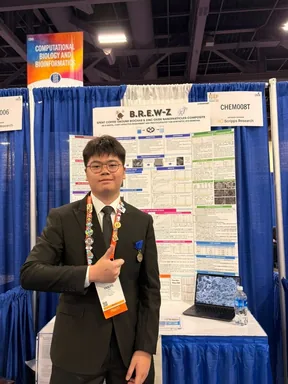
Grand Award
How has ISEF or the science research process as a whole influenced your future plans?
From my own experience ISEF or the research process helped me in finding my own passion and provides me a clear image of my future plans.
What do you believe separates a good project from a truly competitive project?
Truly competitive projects have really good applications and they are also presented in a really good way.
What has been the most rewarding part of your research journey?
The most rewarding part has been seeing myself grow into a researcher. Over the past two years, I've learned how to think more critically, handle setbacks, ask better questions, and communicate my work with confidence. The awards have been incredibly meaningful, but the personal growth and the skills I've developed along the way are what I'll carry with me the longest.
What is one thing successful science fair students know that beginners usually don't?
One thing successful science fair students know that beginners usually don't is that your project will probably change many times before it's finished. They also realize that you're not really competing against other students. You are rather challenging yourself to keep learning, improving, and building something better than you thought you could.
What is one thing successful science fair students know that beginners usually don't?
One thing successful science fair students understand that beginners often do not is that execution is what creates real impact. A project idea does not have to sound extremely complex at the beginning to become meaningful. What matters most is how deeply you research it, how carefully you test it, how well you respond to failure, and how clearly you can show that your work solves a real problem. To be honest, the quality of your execution and results in the end often matters more than how impressive the idea sounds at first.
What did attending ISEF mean to you personally?
I attended twice, at the first time I did not even qualify to enter the government fair not even the national but somehow a team resign so I entered the government fair, I was selected to be the last of the ten project from 100+ , then somehow I passed the national online judging but I didn't pass the offline. This year I didn't intend to participate but it happened, and I repeat the same phases again, so isef for me is a start of a new phase not only a competition
What part of the research process took longer than you expected?
Troubleshooting and data validation. Fixing unexpected errors and re-running trials to ensure the data was robust took far longer than the actual data collection, which was pretty hard tbh
What did you underestimate when beginning your project?
I underestimated how long everything would take. I thought most of my time would be spent building, but I ended up spending much more time debugging, collecting data, and fixing small problems than I expected.
What did you underestimate when beginning your project?
One major thing I underestimated when beginning our project was how many unexpected problems would appear while working to build the final solution or end product. I learned that in science fair, it is not enough to only solve the original problem you care about. You also have to simultaneously solve the problems created by your own solution, such as technical limitations, design flaws, testing issues, and unexpected results. So simply, be on the lookout for everything!
6.2Educator Spotlight
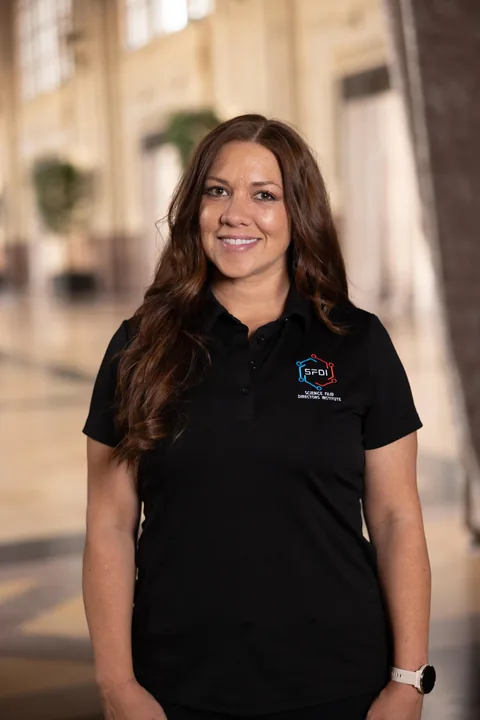
Emily Meyer
STEM Program Manager
GKCSE Fair Director
Science City at Union Station
Kansas City
As an educator and director that has worked with research for years, what do you believe the value of research and participating in science fairs is?
Research teaches students far more than science—it teaches them how to think. The scientific process develops curiosity, critical thinking, resilience, communication, and problem-solving skills that serve students regardless of the career path they ultimately choose. Through research, students learn that failure isn't the end of the process; it's simply another piece of data that helps refine the next question.
Science fairs provide an authentic opportunity for students to apply what they learn in the classroom to real-world problems. Instead of memorizing facts, they become scientists, engineers, and innovators. They ask meaningful questions, design investigations, analyze results, defend their conclusions, and communicate their work to experts in STEM fields.
One of my favorite aspects of science fairs is that every project tells a story. Whether a student is studying cancer treatments, designing more efficient engineering solutions, or investigating environmental issues in their own community, they are contributing to a much larger conversation. Many students discover passions and career paths they never knew existed because of a single research project. Even those who never pursue STEM professionally leave with confidence, perseverance, and the ability to think critically—skills our world desperately needs.
At ISEF, what have you noticed about winning/successful projects that make them stand out?
After 10 years attending the Regeneron International Science and Engineering Fair, I've found that the projects that rise to the top aren't necessarily the ones with the most expensive equipment or access to prestigious laboratories. The strongest projects begin with an authentic question that the student genuinely wants to answer.
Successful projects demonstrate depth rather than breadth. Students understand the existing research, identify a meaningful gap in knowledge, and explain why their work matters. Their methodology is thoughtful, their data is analyzed carefully, and they can discuss not only what worked but also the limitations of their research and where it should go next.
Perhaps the biggest difference is ownership. The most memorable finalists truly own their research. They don't simply repeat information—they understand every decision they made, can explain unexpected results, and speak with genuine excitement about their work. Judges quickly recognize when a project reflects the student's own intellectual curiosity and persistence. Passion, preparation, and a deep understanding of the science consistently stand out.
What would be your biggest piece of advice for students that want to begin research but don't know where to start?
Start with curiosity.
The best research questions usually begin with something you've noticed, experienced, or wondered about in everyday life. Ask yourself, "Why does this happen?" or "Could this be improved?" Great research doesn't have to solve the world's biggest problems—it simply needs to answer a meaningful question well.
Read as much as you can before designing an experiment. Scientific journals, reputable articles, and conversations with teachers or local professionals can help you understand what's already known and where opportunities exist for new ideas.
Most importantly, don't be intimidated by the idea of "doing research." Every experienced researcher started by asking their very first question. Be willing to revise your ideas, learn from setbacks, and keep moving forward. Research is rarely a straight path, but persistence is often what separates a good project from a great one.
Finally, remember that science fairs are about growth, not just awards. The ribbons and trophies eventually fade, but the confidence, skills, and relationships you build through research can shape your education and career for years to come.
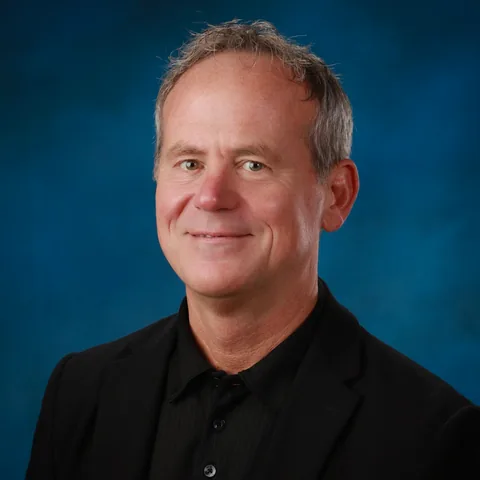
Sean Nash
Basehor-Linwood High School
Honors Scientific Research, Honors Biology, Zoology
https://nashworld.edublogs.org/
If you wanted students to take away one lesson from the research process that has nothing to do with science itself, what would it be, and why?
I think I would want them to learn that not knowing is okay. In fact, not knowing can be really exciting.
Most students go through school learning things that somebody already knows. There is an answer. Maybe they don't know it yet, but somebody does. Research is different. You can get right up to the edge of what is known and discover that there isn't a roadmap anymore.
That can be terrifying. It can also be incredibly liberating.
I had a student a few years ago who had designed a really ambitious experiment looking at the effects of microplastics on a metamorphic insect. His plan was genuinely interesting. Unfortunately, he could not get his skipper butterflies to cooperate with the plan. He tried four different times to raise them from eggs. He failed four different times.
I know how frustrating that was for him. And yet, he still made a poster. He presented what he had intended to do, talked honestly about what had gone wrong, and asked other scientists and students for feedback.
I found that incredibly humbling.
Partly because I thought, this kid gets it. And partly because I'm not sure I would have been that comfortable standing in front of a room and essentially saying, "Here's what I tried. Here's how it failed. What can you teach me?"
Two years later, he presented completely different research and earned a gold medal. That was wonderful. It was also vindicating.
But I'm not sure the gold medal was the most important part of the story. The most important part may have been that first project—the one that didn't work.
Most of my students learn some version of that lesson. They discover that they can actually do things that are really hard, even when there isn't a step-by-step set of instructions telling them what to do next. They develop persistence. They learn that failure isn't necessarily evidence that they aren't capable.
And occasionally a student learns something else, which can be just as valuable.
I had a student leave my research program at semester because he realized that being a scientist sounded much cooler to him than actually doing science. He hadn't realized how much reading was involved. Other students discover that they love science but absolutely do not want to spend their lives doing field research. It turns out field research can be wetter than a wet lab.
Those are successes, too.
My program tends to attract academically gifted students, but I've noticed that the students who become the most successful researchers are not necessarily the ones with the highest IQ scores. Very often they are the kids who have already failed at something and discovered that failure isn't fatal. They also tend to be the kids who simply love finding out something that nobody knows yet.
And that, to me, is the real thing.
If being on the edge of what is known somehow tickles your soul—if the fact that nobody knows makes you want to find out—then you may well have a life in science ahead of you.
If it doesn't, that's useful to know, too.
Either way, I think students should get the chance to find out.
Why do you believe it is important for students to pursue research?
I don't actually believe that every high school student needs to conduct authentic, original scientific research.
A good science teacher can create a terrific guided-inquiry course in which students ask questions, design investigations, collect evidence, and learn to think scientifically. For many students, that may be exactly what they need to become scientifically literate and thoughtful citizens.
But there are some students who are ready for more. Some who need more. And some who think they might want to make a career out of scientific research. For those students, I think authentic research can be transformative. The difference is that you aren't simply learning about what scientists have already discovered. You are trying to discover something yourself.
I have had students engineer devices from scratch and test whether they actually work. I've had students document animal behaviors that, as far as we could determine, had never been described in the scientific literature. I've had students find plants responding to a treatment in ways that looked remarkably like an immune response.
Those aren't simulated research experiences. Those students were pursuing actual gaps in the literature. Sometimes they found something.
And yes, I think it is absolute nonsense to suggest that a teenager cannot make a genuine, unique scientific contribution. They absolutely can. I have watched them do it.
But the contribution doesn't actually have to be important in some grand sense. That's not really the point.
The important thing is that a student can experience what it feels like to stand at the edge of what is known and say, "I don't think anyone knows the answer to this. Let's find out."
That changes your relationship with knowledge.
You stop seeing science as a collection of facts that other people have figured out. You begin to see it as something humans are still doing. Something messy. Something uncertain. Something that involves failed experiments, unexpected results, enormous amounts of reading, revisions, criticism, and occasionally the wonderful realization that you have found something that wasn't known before.
I also think that experience is particularly valuable for academically gifted students. Some of the brightest students I have taught have gone through most of their academic lives without failing at anything. That can become a real problem when they eventually encounter something genuinely difficult—especially in college, when they are away from home and their professors or research advisors may have dozens of students competing for their attention.
I'd much rather have a student discover, at seventeen, what it feels like to have a beautiful idea fail—and then figure out what to do next.
And I don't think the ultimate measure should be whether the student wins an award. Research competitions can sometimes distort that.
For me, the goal is simpler: ask a good question that addresses a real gap, design a defensible experiment, generate reliable data, draw conclusions that the evidence actually supports, and share what you learned.
If you can do that, you've been a scientist.
Whether you ever become one professionally is almost beside the point.
Some of my best research students have gone on to careers in science. Others have gone into education, journalism, culinary arts, engineering, and all sorts of things I never would have predicted.
That's fine.
They learned how to confront something they didn't know, figure out how to investigate it, deal with failure, evaluate evidence, and then tell other people what they found.
Those skills travel remarkably well.
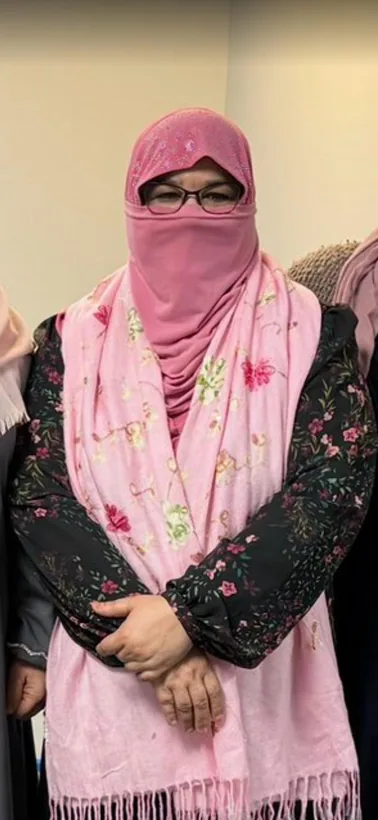
Farzana Jabeen
Islamic School of Greater Kansas City
A.S.R.T Alumni
Teacher Coach at Science Coach
As an educator that has worked with research for years, what do you believe the value of research and participating in science fairs is?
Research and science fairs help students develop critical thinking, problem-solving, perseverance, and communication skills. They inspire curiosity and prepare students for future academic and career success.
At ISEF, what have you noticed about winning/successful projects that make them stand out?
The strongest projects address meaningful problems, demonstrate originality, use rigorous scientific methods, and show that the student deeply understands and owns their work.
What would be your biggest piece of advice for students that want to begin research but don't know where to start?
Start with a question you are genuinely curious about. Read widely, find a mentor, and don't be afraid to begin small—great research grows through persistence and continuous learning
6.3Further Opportunities
Your project doesn't end when the fair is over: It's the beginning of your research journey, not the end. The skills, relationships, and discoveries you've gained can lead to incredible opportunities if you keep going.
Your Research Project
Take your project to the next level, beyond the fair.
Regeneron Science Talent Search
Regeneron STS is the nation's oldest and most prestigious science research competition for rising seniors in high school.
The first-place winner: Receives $250,000 to further their STEM education. Top 40 Finalists: Each receives a minimum of $25,000 and a trip to Washington, D.C.
YOU SUBMIT
- Research report
- Essays
- Recommendations
- Transcript
- Scores
Publish Your Research
Publishing is possible for high school researchers. Don't wait for "perfect." Share what's valuable.
PUBLISHING TIPS:
- Expect rejection
- Follow guidelines carefully
- Revise based on feedback
- Submit again
Remember: it only takes one publication to accept your work to get your ideas out there.
Continue Your Research
The best projects evolve. Great projects generate more questions than answers. If you test a new variable, line of investigation, or mechanism to expand prior research, it may qualify as a, "ISEF continuation project," and you might be able to present it next year.
ASK YOURSELF
- What limitations did I find?
- What experiment comes next?
- Can my methods be improved?
Present at More Conferences
Presenting your work to new audiences strengthens your communication and opens new doors.
POSSIBLE VENUES
- Research symposiums
- University conferences
- STEM showcases
- Community events
- Local organizations
6.4Creating Real-World Impact
Great research has the power to change more than just your own future. The ultimate goal is to make a difference. Your project can solve problems, improve lives, and inspire change in your community and beyond.
1) Start a Nonprofit or Initiative
Turn your ideas into action by creating an organization, program, or campaign.
Example: Creating a water quality testing program for local schools.
2) Develop Your Prototype or Solution
Continue building your prototype, tool, model, or invention.
Example: Refining a low-cost air quality sensor and testing it in different settings.
3) Inform Policy and Decision Makers
Share your findings with local leaders, policymakers, or organizations that can use your data.
Example: Presenting your findings to a city council about urban heat islands.
4) Create Educational Resources
Teach others what you've learned and empower your community through education.
Example: Making a guide or curriculum to teach others about your topic.
5) Partner With Local Organizations
Collaborate with nonprofits, hospitals, schools, or businesses to implement or expand your work.
Example: Working with a local clinic to pilot your health intervention.
6) Apply for Grants and Funding
Seek funding to scale your project and create a greater impact.
Example: Applying for youth innovation grants or local foundation funding.